pencarroll@gmail.com

  • “I want my characters to be relatable and authentic” – Stephanie Hazeltine on writing domestic thrillers 
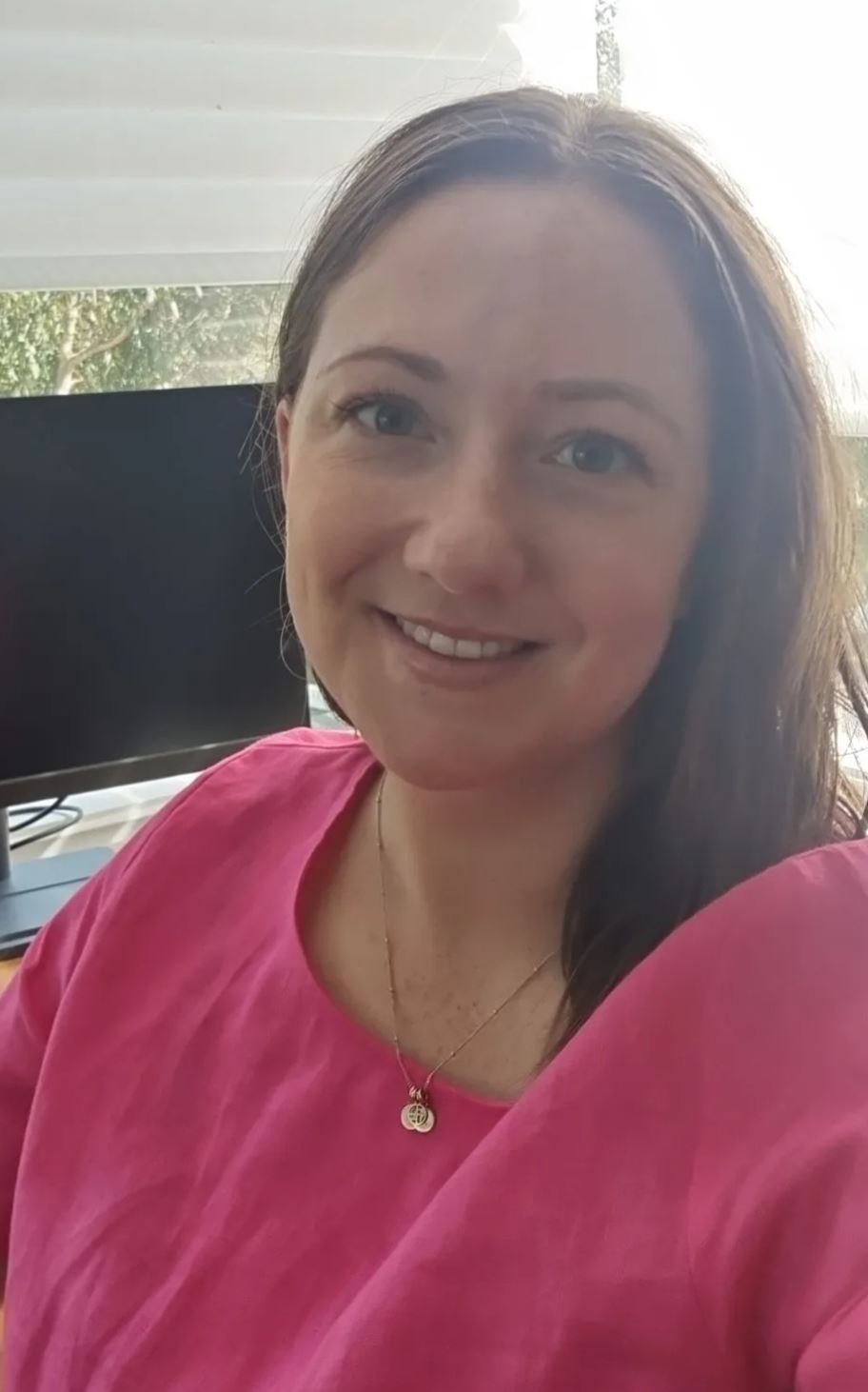
    Stephanie Hazeltine wearing a pink top and smiling in front of her computer monitor

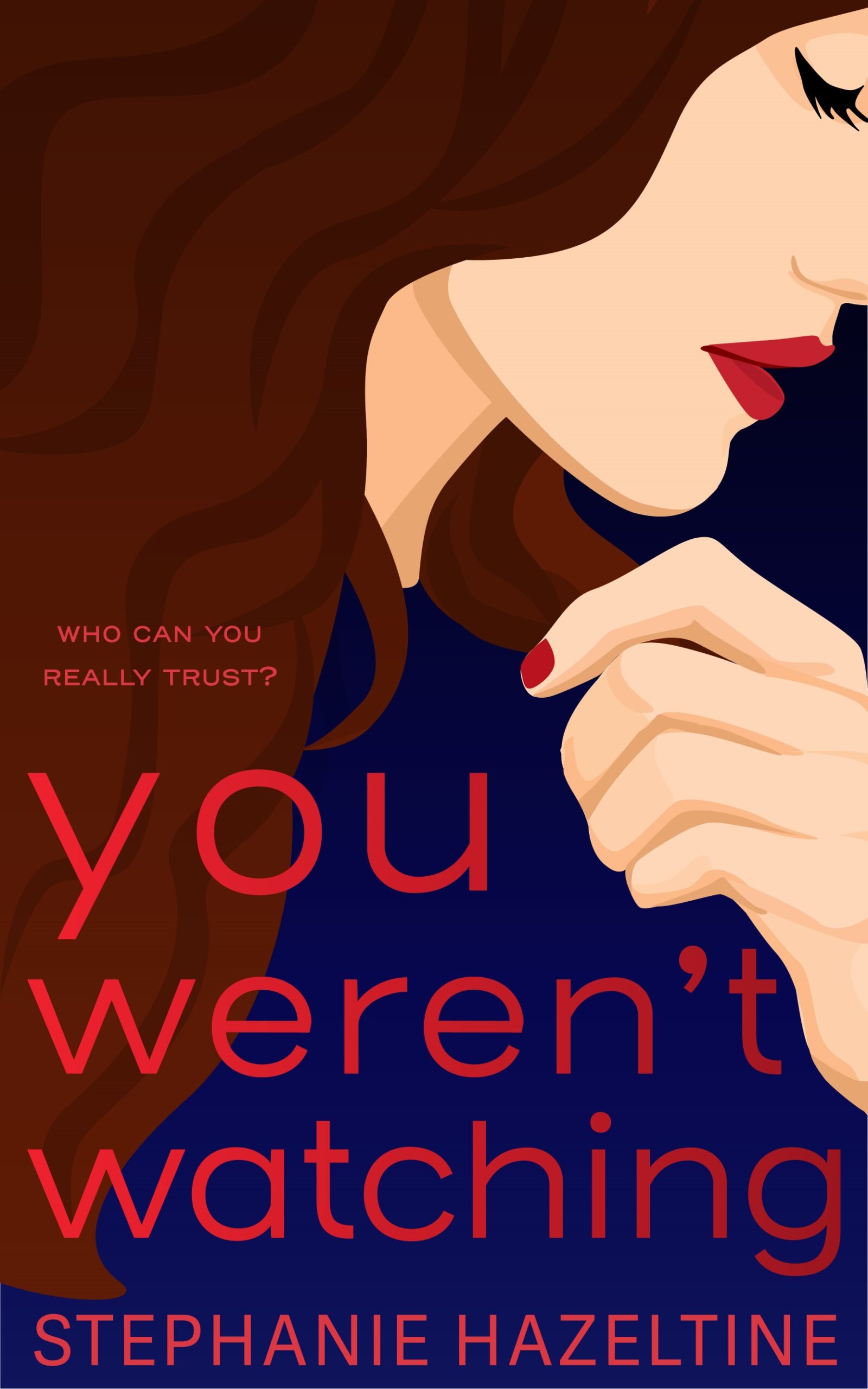
    As a primary school teacher, Stephanie Hazeltine always thought she’d write children’s books one day – but when she started writing, it was the heart-racing thriller genre that got her hooked. She’s just released her second domestic thriller novel, You Weren’t Watching, which is book two in her Suburban Secrets series.

    I was delighted to work with Stephanie on a line and copy-edit for You Weren’t Watching earlier this year, so I know just how much readers are going to love this book! It’s a pacy read that centres around the nightmare of a child’s disappearance, but also touches on postnatal anxiety and depression, the challenges of motherhood and co-parenting, and the knotty complexities of female friendships.

    Here, Stephanie shares how she got into writing, dealing with confronting themes in fiction, and how she navigates the self-publishing journey.
    Tell us a little bit about yourself and your new novel, You Weren’t Watching.

    I live in Melbourne with my husband, two kids and two cavoodles. I’m a primary school teacher who loves reading, running and Caramilk chocolate. I got into writing during lockdown and haven’t looked back – I’m constantly plotting stories and trying to find the time to write them all.

    You Weren’t Watching is an interconnected standalone novel in the Suburban Secrets series. It centres around a group of women and their children in the quiet suburb of Rosewood. When one of the children is kidnapped, the women must come together. But with every passing moment, more horrifying secrets are uncovered and it’s a race against time to save more than just one Rosewood resident.

    You Weren’t Watching throws you into every parent’s worst nightmare and makes you question who you can really trust.

    What made you want to be an author? 

    I actually wanted to be a children’s author originally because I loved reading to my students and sharing different books with them. Then a friend encouraged me to do a creative writing course and that sparked the desire to write novels. 

    How did you get started? 

    I started with a writing course that I completed during lockdown with a newborn baby. It started as a distraction from newborn monotony and lockdown boredom, but I fell in love with creating and it’s taken off from there. 

    “I want my characters to be relatable and authentic so I try to inject a bit of myself into (some of) them. The status quo before things get thrilling is what my life often looks like.”

    What draws you to writing domestic thrillers centring on women’s lives? 

    I want my characters to be relatable and authentic so I try to inject a bit of myself into (some of) them. The status quo before things get thrilling is what my life often looks like. It’s centred around my children, my family, my friendships. I love to read thrillers, so turning that everyday life into something devastating or scandalous is fun. 

    There’s some confronting themes and storylines in your work – does this involve lots of research to ensure you’re getting the details right?

    I have some lovely friends and family who work in emergency services, law enforcement and legal proceedings and they keep me on track so that my details are pretty accurate. 

    The mental health theme, particularly perinatal mental health, is something I’m really passionate about. I suffered postnatal depression and anxiety when my first child was born and it took me some time to realise that it’s totally fine and very common, and I wanted to highlight this in my books so that women who read them realise that too. I’ve had a lot of mothers reach out and thank me for discussing perinatal mental health. It’s also been a really therapeutic way of sharing some of the feelings I’ve experienced through my characters. 

    How do you protect your own mental health while exploring such dark content? 

    It probably seems odd but writing itself is one of the ways I protect my mental health. It’s a creative and emotional outlet for me, even when the content is dark.

    Have you learnt anything that you weren’t expecting about dealing with sensitive material in fiction?

    Not from my books yet, but from working with other authors and speaking with readers, it can certainly be a real minefield. Almost anything can warrant a trigger warning and we don’t know what our readers have experienced. I try to be as transparent as possible and list the trigger warnings at the front of my books. 

    You’re an indie author – why did you decide to go down the self-publishing path? 

    The first answer that comes to mind is the fear of rejection. But in addition to this, I really like having control over what and when I create and release my work. I set my own deadlines and keep them realistic around being a mum and a part-time teacher.

    What are the challenges involved in self-publishing? And do you have any advice for others who might be considering the indie route? 
    The hardest part, for me, has been marketing and getting eyes on my book. I feel I spend almost an equal number of hours writing as I do marketing and admin tasks, and that makes me sad because I love writing. As I become more experienced, I’m sure this will change but for now it’s a juggle. 

    My advice for others would be to establish some friendships/relationships with other indie authors because their knowledge is golden. I could not have navigated editing, formatting, uploading to different distributers, marketing etc without the people I met along the way who had already self-published. 

    “My advice for others would be to establish some friendships/relationships with other indie authors because their knowledge is golden.”

    How essential is working with an editor (or several editors!) as part of this process? 

    Crucial! For both of my books I have had an editor do a structural report very early on in the project and then a line edit at the end. As a self-published author, it’s all on me. There’s no publishing company to fall back on. So when my book goes out, I want it to be perfect because it represents my name only. Having an editor gets me as close to perfect as I can hope.

    Who else is essential on your publishing team? 

    A cover designer, beta readers (I’ve got three plus a proofreader) and ARC readers who I have reached out to over social media. I’m also part of two writing groups and we talk all week sharing motivation and ideas – and a really good barista. 

    What’s next for you – when can we expect the next instalment in your series? 

    The next instalment in the Suburban Secrets series won’t be until next year but I’m hoping to release a completely separate thriller later this year. Stay tuned.

    Where’s the best place for people to buy your books?  

    Paperback copies are available on Amazon. Otherwise you can get the ebook on Kindle, Apple, Kobo or Nook. 

    Find out more about Stephanie on her website and stay up to date on her books over on Instagram @stephaniehazeltinewrites
  • “I love to push limits in romance” – Natalie Murray on writing historical fiction, switching to contemporary romance, and how editing brings out her best

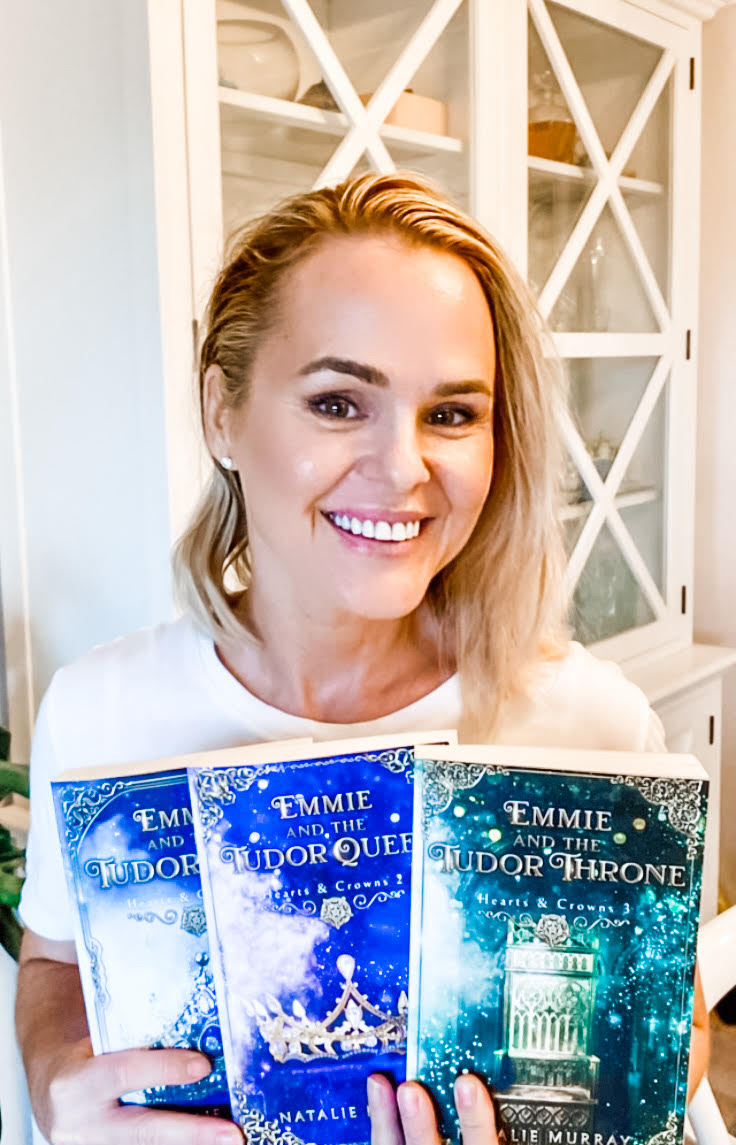
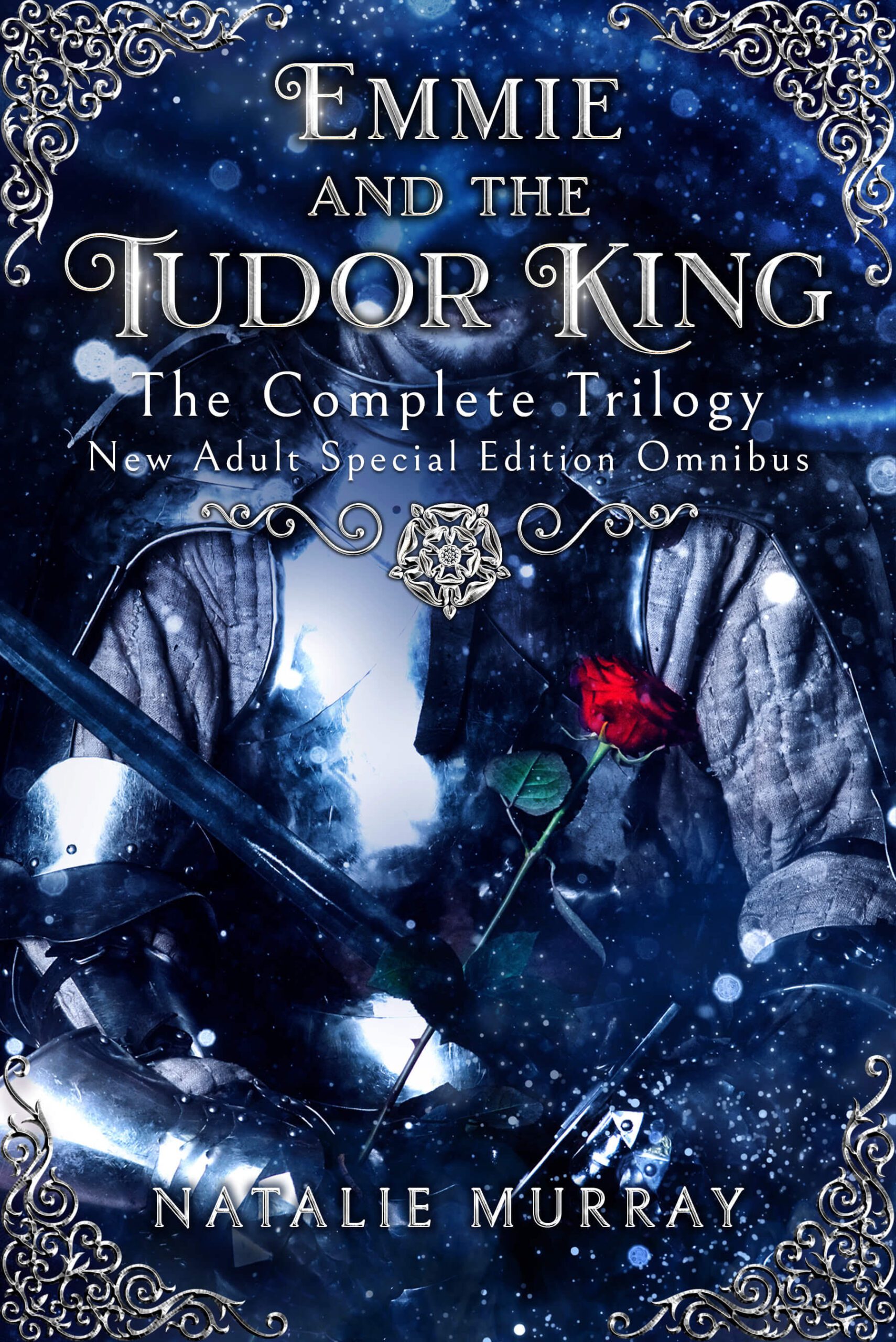
    Natalie Murray is an Australian author to watch. If you’re a fan of historical romance, you might already know her Emmie and the Tudor King series, which follows a young woman’s time slip into Tudor England and entanglement with a (fictional) fiery ruler. It’s swoon-worthy, passionate, transportive reading.

    Now, Natalie has returned to the present day with a contemporary romance novel set in Newcastle, NSW – where she now lives and where I grew up! – and I was so delighted to work with her on a structural edit for this manuscript late last year. Her best-friends-to-lovers story is heart-wrenching, funny and adorable in equal parts and I can’t wait till everyone else gets to read it too. In exciting news, that won’t be too long! Natalie’s contemporary romance has just been acquired by Allen & Unwin and is due to hit shelves in early 2024.

    Here, Natalie takes us through her journey from TV news reporter to author, the joys of writing both historical and contemporary fiction, her top advice for aspiring authors, and why the romance genre will always be her true love.

    Tell me about your journey to becoming an author. You have a background in journalism – what inspired you to make the leap to writing fiction? 

    I’ve always been a writer in some form, but until recently, it was only ever non-fiction. While I spent years writing news articles, business materials and blogs, I’d convinced myself I’d never attempt to write fiction, despite being a voracious reader. But when I was pregnant with my first child and at home feeling unwell, I began experimenting with writing short romance stories and immediately became hooked. When I published the stories online and received wonderful feedback from readers, I decided to try writing a full-length novel. I was watching the TV series The Tudors at the time, and having dreams about the Tudor period, so I decided to turn one of those dreams into a novel, which led to the first book in my Emmie and the Tudor King trilogy!

    Has your experience in writing for media helped you in writing books? Or is it an entirely different beast?

    I primarily worked as TV journalist, which requires you to ‘write to the pictures’ with as few words as possible – a very different process to describing a world for readers to imagine across tens of thousands of words. While plotting novels and character arcs bears little resemblance to anything I’ve worked on for the media, working as a journalist did teach me vital skills about the mechanics of writing and sentence structure and the importance of telling a good story and telling it quickly. So, there is probably more crossover than I think! Witnessing the idiosyncrasies of people and society as a reporter has also probably enriched my novels and characters in ways I don’t even realise.

    What do you love about writing love stories? 

    Oh gosh, what don’t I love! I’m an incurable romantic and never tire of perfecting a line of swoon-worthy dialogue or writing about the accidental brush of knuckles or the zing of a moment of direct eye contact. Every time I write a romance novel, I get to fall in love all over again, which is a high I’ll never stop chasing. While I’ve written fast-paced stories before with plenty of action, there’s something about the stillness of romance that I also love… of letting two characters shift into each other’s spaces and come to the realisation that each one is having a profound and life-changing impact on the other. It’s also great fun to write pages of romantic tension and then finally reach that explosive kiss or that confession that makes the reader’s heart beat harder. It’s also a genre that guarantees a happy and hopeful ending, so it feels like a safe space in which to escape.

    “Every time I write a romance novel, I get to fall in love all over again, which is a high I’ll never stop chasing.”

    Your first books are historical novels – what sparked your interest in Tudor England? 

    I’ve been captivated by the Tudor period for as long as I can remember, which is one of the most dramatic periods in British history. All you need to do is look at the Tudor family tree to see that this family was a hot mess of treason, love and betrayal. That said, I didn’t want to write another book about its established events or about Henry VIII’s wives or daughters. So, I decided to create a reimagined history in which Queen Elizabeth I married her rumoured lover Robert Dudley, Earl of Leicester, and they had a son, Nicholas Tudor. My muse for this fictional king was probably the real Henry VIII in his younger years, who was not only ridiculously smart and talented but – according to reports – a total hottie. He was more than six feet tall, athletic, and known to be extremely handsome. My King Nick is part young Henry: charismatic, clever, and fiery to the end. It’s a fun story to lose yourself in!

    What funny or surprising details did you unearth while researching the period?

    There were plenty of surprising and funny tidbits, but I remember being quite amused to discover that water was considered unhealthy in Tudor times, so most people drank ale all day to stay hydrated – or wine if you were rich. One would assume the Tudors were permanently tipsy! That said, drunkenness was not tolerated, and there were punishments for alcohol abuse. If you were drunk in public and making a nuisance of yourself, you could be forced to wear a beer barrel as a form of humiliation, which was known as a ‘drunkard’s cloak’. You would be made to parade around inside a huge, heavy barrel with holes cut out for your head, legs and arms.

    Your next book is a contemporary romance, which I was thrilled to work on recently. What was it like moving into the contemporary genre? Do you think you’ll stay in the here and now or will historical romance come calling again? 

    Some of the Emmie and the Tudor King series is set in the present day, so I’d already played in the contemporary landscape and thoroughly enjoyed it. I never actually intended to become a historical romance author: I wanted to write a novel set in Tudor England that had the feel of a contemporary romance (a bit like a novel version of the TV series Reign). I always planned to move into the contemporary space once I’d finished the Tudor series and believed it would be easier because there is much less research involved. However, I was wrong! The Tudor setting provided so much immediate ‘story’ to work with… joustings, feastings, dances, the royal court – even beheadings. Writing contemporary romance means I’ve had to come up with 90,000 words of story and complications without that initial material to bounce off. I’m still not sure which is easier!

    Give us a teaser – how would you describe your upcoming contemporary romance book?

    I’m so excited about my next novel, which is a best-friends-to-lovers contemporary romance set in Australia! It’s a swoony and angsty story about love and friendship, loss, and finding the courage to follow your heart, even if it means facing your biggest fears. While offering plenty of sizzling romantic chemistry and light moments, the book explores the impacts of trauma and health anxiety in the era of ‘Doctor Google’ – something I have personally battled. Best-friends-to-lovers is my absolute favourite romance trope, so I have always wanted to “give it a crack”, as we Aussies like to say. In this one, you can expect slow-burn tension, forced proximity, ice-cream kisses, cute texting, and swoony confessions. After writing three books set in Tudor England, it’s been a joy to write a story set in my own backyard. And I just adore the male lead in this book, Ryan James. He is such a sweetheart.

    I know you have a really detailed process when it comes to writing a novel. How essential is working with an editor to your process? 

    I can’t imagine completing a book without an editor. Every time I’ve revised a novel after receiving feedback from an editor, I’m blown away at the improvement, and I always end up turning around and blurting to my husband: “It’s absolutely amazing what editors can do!” No matter how much careful thought I put into each book, how much plotting, or frantic revisions, I can only take it so far without the expert eyes of an editor to lift it to the next level. After working on multiple drafts of a full-length novel, it’s also easy to lose sight of both the bigger picture and the very small things that an editor will spot immediately. 

    “Editors have given me so many invaluable insights, like how to get more out of a theme, how to optimise the structure to ensure the climax hits at the right time and with the right degree of gut punch, when to boost the tension and when to pull it back, and the importance of character consistency.”

    Can you share any insight into lessons you’ve learned from the editing experience?

    I’ve become better at guessing what editors are going to pick me up on, so I tend to clean those up as I write in the hope that, one day, an editor will say to me: “It’s perfect! You don’t need to change a thing!” (In my dreams, haha.) Editors have given me so many invaluable insights, like how to get more out of a theme, how to optimise the structure to ensure the climax hits at the right time and with the right degree of gut punch, when to boost the tension and when to pull it back, and the importance of character consistency (which can be a tricky thing to get right). Sometimes I tend to overwrite and be a little heavy-handed, and you, Penny, have been particularly wonderful at shaving off superfluous language. Overall, I’ve learned from working with an editor that no matter how polished a novel is, it can always be better.

    What writing or editing rules do you love to break? 

    I love to push limits in romance. The overwhelming majority of readers who loved the Emmie and the Tudor King series said they adored the lead male character, Nick Tudor, but a few readers have complained about his fiery, egotistical nature. But I was creating the character of a sixteenth-century Tudor king, and I wanted him to be authentic. So, I set out never to compromise on his personality or soften him to make him more palatable to a twenty-first-century audience. I also probably use too many adverbs and adjectives and insert a touch too much emotion into my writing at times, but that’s because these are things I love as a reader. My favourite author is Paullina Simons because she doesn’t hold back on angst and emotion. I love and need the ‘happily ever after’ in romance, but before I get there, I want to be kicked in the heart. Probably because it makes the make-up kiss that much sweeter!

    “I love and need the ‘happily ever after’ in romance, but before I get there, I want to be kicked in the heart. Probably because it makes the make-up kiss that much sweeter!”

    What advice can you offer other aspiring authors? 

    Still on editing, I think it’s important for aspiring authors to remember that editors are on your team. The first few editor comments you receive can feel like criticism, but it’s not in a disapproving way; it’s because they’re fighting for you to create the best story you can. On writing overall, my main advice to authors is to finish the damn book. When you start writing your first novel, it is far too easy to give up. It’s a tough, gruelling process that can take years, and when no one is paying you a cent, no one is reading a word of it, and the couch is whispering your name, the urge to just walk away can be overwhelming. But the only way a book is written is that it’s written… one word, one sentence, one day at a time. There’s no shortcut. But if you just keep going, you will reach the end, and then you’ll have a full draft to go back and begin editing, which is when the magic happens and the fun begins. So, don’t be discouraged if your first draft isn’t as polished as you’d imagined. My first drafts are almost unreadable. But just finish the damn book, and then you can go back and fix it, which is a deeply enjoyable part of the process and easier than writing that first draft. 

    That’s excellent advice and I couldn’t agree more! Finally, what’s next for you? What are you working on now? 

    I’ve just finished plotting my next Australian contemporary romance, which features the tropes of grumpy-meets-sunshine and fake dating (with a twist). I can’t wait to start writing it! And I’m hugely excited to have nearly finished my first contemporary romance co-written with US author Jenny Hickman, which is called Hating the Best Man, which will be out in spring 2023. Jenny and I have fantastic writing chemistry and the same taste in all things romance, and I can’t wait for us to work on more books together. This is only the beginning.

    For more about Natalie’s books, follow her on Instagram @nataliemurrayauthor or visit her website.

  • 4 signs you’re ready for a line and copyedit

    A simple explainer to help you work out if a line and copyedit is what your novel needs now.

    So, you’ve written a novel. Now what? 

    You might be thinking about starting the editing process, and perhaps you’re keen to work with a professional editor. That’s an excellent decision (wink!) but before you go ahead and book in your manuscript, it’s important to check if you’re ready for that kind of editing. 

    What is a line and copyedit? 

    When people think of editing, the line and copyedit is probably closest to what they imagine.

    A line and copyedit service involves a professional editor going through your work one sentence at a time. They’ll focus on grammar, punctuation and spelling, yes, but they’ll also finetune your sentences for flow, make adjustments to heighten tension or suggest changes to enhance character. They’ll ensure your book adheres to a consistent style and they’ll track details such as characters’ appearance or movements so that your scenes make sense. No coffee cups that magically morph into glasses of water; no Matthews turning into Michaels halfway through.

    It’s labour-intensive, detailed work that can take your book from good to great. But if you’re just getting started on redrafting and editing your novel, I’ll be honest: it’s unlikely you’re ready for this service. Going too early on a line and copyedit is like plastering over cracks in your home instead of spending the time getting the foundations right.

    Here are four signs that I look for that tell me you’re ready for this detailed form of editing.

    1 Your manuscript is structurally sound

    If you’ve already taken steps to ensure your manuscript is structurally sound – whether that’s working with an editor on a full structural edit or manuscript assessment, engaging professional beta readers or participating in an editing course like this one – that’s a great sign. 

    After taking in this feedback, you will have done significant work on your novel to make sure that the character arcs are strong and complete, the pace, POV and story structure are working for you and there are no glaring plot holes. You should be feeling confident about your overall narrative.

    A line and copyeditor will address small plot holes such as timeline hiccups or minor instances of head hopping, but they’re not able to resolve your big-picture issues at this stage. That’s because those overarching elements like plot, theme, character journeys, setting and POV can affect so many different threads of your book and issues with these will likely require significant rewriting. 

    2 You’re ready to embrace feedback

    In a line and copyedit, your editor will suggest changes to sharpen and elevate your writing. It’s not just about spotting typos! 

    Are you open to this kind of feedback? As an editor I take great care to ensure my feedback is sensitive and considerate, but if you’re not expecting this level of engagement with your work, it might come as a shock. Perhaps you’re too close to it – consider putting your manuscript aside for a while so you can get some distance and come back to it with a fresh perspective.

    One way you might be able to check if you’re ready to embrace this kind of feedback is to book in for a sample edit with your chosen editor. This will show you the kinds of issues your editor is likely to pick up and their style in relaying it to you, so you know what to expect. You might even find yourself looking forward to the process!

    3 You’ve done as much as you can 

    Think of this one as cleaning up for the cleaner. You can save yourself some coin if you do your own polishing on your manuscript before you send it out for a line and copyedit. 

    This means spending time on self-editing – reading over dialogue and sharpening up those action beats and speech tags, looking out for filter words or common phrases you use over and over, cutting back long descriptive passages that don’t move the story forward, and as obvious as it may sound, doing a basic spellcheck! Try doing two to three passes over your manuscript, focusing on tightening it up.

    Ideally, you’ll also format your file with double line spacing, indented paragraphs and page breaks for new chapters. 

    4 You’re going around in circles

    Constantly googling grammar questions and wondering why the answers are clear as mud?

    If you feel like you’re going around in circles and not getting anywhere, or making minor changes just for the sake of it, that’s a key sign you’re ready to hand your book baby over to a professional. You don’t have to do this writing thing on your own!

    A line and copyedit can be your saving grace, offering clear, sensible changes and suggestions that will elevate your story. Even better, while your manuscript is out for editing, you open up mental space for your next great book idea. 

    It sounds like a lot of work…

    I hear you – why put in all this effort when it’s going to be edited anyway? Well, the more work you do beforehand, the better shape it will be in for your editor, which equals a less expensive quote! 

    It also means that when your edited manuscript returns to you, it won’t be so littered with red mark-up that you immediately freak out. Instead, you’ll be able to concentrate on those helpful suggestions that enhance your writing and make it shine, rather than getting bogged down in the small stuff. 

    Plus, the more you polish, the more you’ll learn about writing craft, making you a better, more confident writer.

    Reckon you tick these boxes? Check out my line and copyediting services or contact me for a sample edit.

  • 5 gifts to give your WIP this festive season


    Slow down, chill out and experiment with your writing practice.

    Happy Holidays! It’s that magical time of year where we get to sit down, relax, stuff ourselves with treats and – if you’re a fiction writer – spend some quality time with your manuscript. 

    While showing up and writing is always a good idea, you might be in the mood to experiment. If you want to tap into that spirit of creativity that seems to hover nearby when you feel relaxed and happy, here are five ways to play with your words these holidays. 

    1 Interview your characters

    I love this writing practice for its ability to bring out greater depth in your cast of characters – and as a result, strengthen your novel. 

    It’s particularly useful if any of your characters are feeling one-dimensional on the page. 

    They may play an important role in the story arc, throwing up obstacles for your main character or helping them unravel a mystery, but who they are and why they act the way they do isn’t clear. 

    Or perhaps it’s your main character. You know they have a strong surface desire – they might want to fall in love or be married by 30 – but you haven’t fully explored the deeper desire underpinning that goal. The result is that readers might not connect with your character enough to go on that journey with them. 

    Interviewing your characters allows you to access hidden feelings, strengths, flaws, traits and more. 

    How to do it? Find a space where you can work uninterrupted for a while – around an hour. Then, start by throwing some basic questions at your character to get them talking. Where are they from? Where did they grow up? How many siblings? What colour is their eyes? How do they dress? 

    Then start throwing in some curlier questions. They might be directly related to your plot or characters (eg why do you dislike so-and-so, why did you make that decision?), or they might be more personal: What’s your earliest memory? What’s your greatest fear? What past hurt can you not forgive?

    You might be surprised what comes out and how it can take your novel to another level. 

    2 Read a (craft) book 

    Sometimes, you just need a break from writing. 

    If you’re lacking inspiration or wondering how to unravel a sticky spot or want to level up your writing skills, why not devote this holiday period to some writing theory instead of practice. 

    There are loads of great books on the craft of writing to explore. Some of my favourites are: 

    Big Magic by Elizabeth Gilbert

    Perfect if you need a gigantic shot of inspiration. Gilbert makes any creative task feel achievable in this guide.

    Eats, Shoots & Leaves by Lynne Truss

    Truss’s guide to punctuation is funny, interesting and informative. The trifecta!

    The Emotion Thesaurus by Angela Ackerman and Becca Puglisi

    Use this fantastic handbook to liven up your characters’ emotional responses in dialogue and action beats. Perfect if you find a character routinely groaning, blushing or biting their lip.

    Searching for the Secret River by Kate Grenville

    Grenville generously shares the story behind her beautiful novel The Secret River, from the family history that inspired the tale to the twists and turns it took in editing. 

    3 Go on a creativity date

    This tip is based on the artist date exercise in Julia Cameron’s The Artist’s Way, which is a 12-week program designed to get creative juices flowing. 

    I love the idea of taking yourself on a date to inspire creativity, and the holiday period is the perfect time to do it. You could visit an art gallery, have lunch solo, go to the cinema or walk in nature – it’s about finding an experience that will spark your curiosity. 

    To make it even more closely related to your WIP, imagine the experience through one of your character’s eyes. What would they order at the café? What kind of movie would they choose? What would be their favourite artwork at the gallery and why? How would they feel walking in the bush on their own?

    The idea is to be playful to unlock your creativity and bring unexpected ideas to the surface. 

    4 Try a different point of view

    Do you always write in the same close third-person point of view? Maybe you love the intimacy of first-person stories.

    There’s no right or wrong, but if you’re feeling stuck with your story you might want to flip the POV to see if that helps to address a stagnant pace or brighten up a sluggish mid-section. 

    You don’t have to commit right now – this is about experimenting. Try rewriting a scene or a chapter in a different POV, whether it’s going from third to first person or swapping from one character’s perspective to another’s.

    It’ll feel unfamiliar at first, maybe even a bit ick. Push through and notice what comes out in your story as a result – perhaps more insight into a character, perhaps a lighter, brighter voice. It could unlock a whole new perspective on your novel and your writing style. 

    5 Create a style sheet

    Think of this as life admin for your WIP. 

    A style sheet is a document that keeps track of the world inside your novel, from the nuts and bolts of specific spelling decisions to the traits of characters who inhabit your story. 

    It’s a great consistency tool, because it allows you to quickly check those finicky details, like if you use OK rather than okay, if your character’s eyes are blue or green, and if you use italics or quote marks for thoughts. 

    You can create your own style sheet easily in Word, listing your world-building decisions under categories such as ‘settings’ and ‘characters’ and spelling and punctuation choices under alphabetical subheadings (for example, an entry such as quotation marks: single, double within would fall under Q).

    This is especially important if you’re working on a series, as it helps you maintain consistency across books, and it’s great for speculative fiction, which often has a long list of world-building rules to keep up with.

    If you team up with an editor on a copy and line edit, they will create a style sheet for your work (I provide authors with a comprehensive style sheet when I return their copyedited manuscripts). And if you’ve already created your own, you can pass it on to the editor or proofreader for their reference as they work on your novel – they’ll love you for it! 

    I hope these ideas help you get your creativity firing these holidays! Let me know in the comments which of these writing practice gifts have been most useful for your WIP.

  • “Don’t wait for the perfect conditions” – Clare Fletcher on building writing momentum

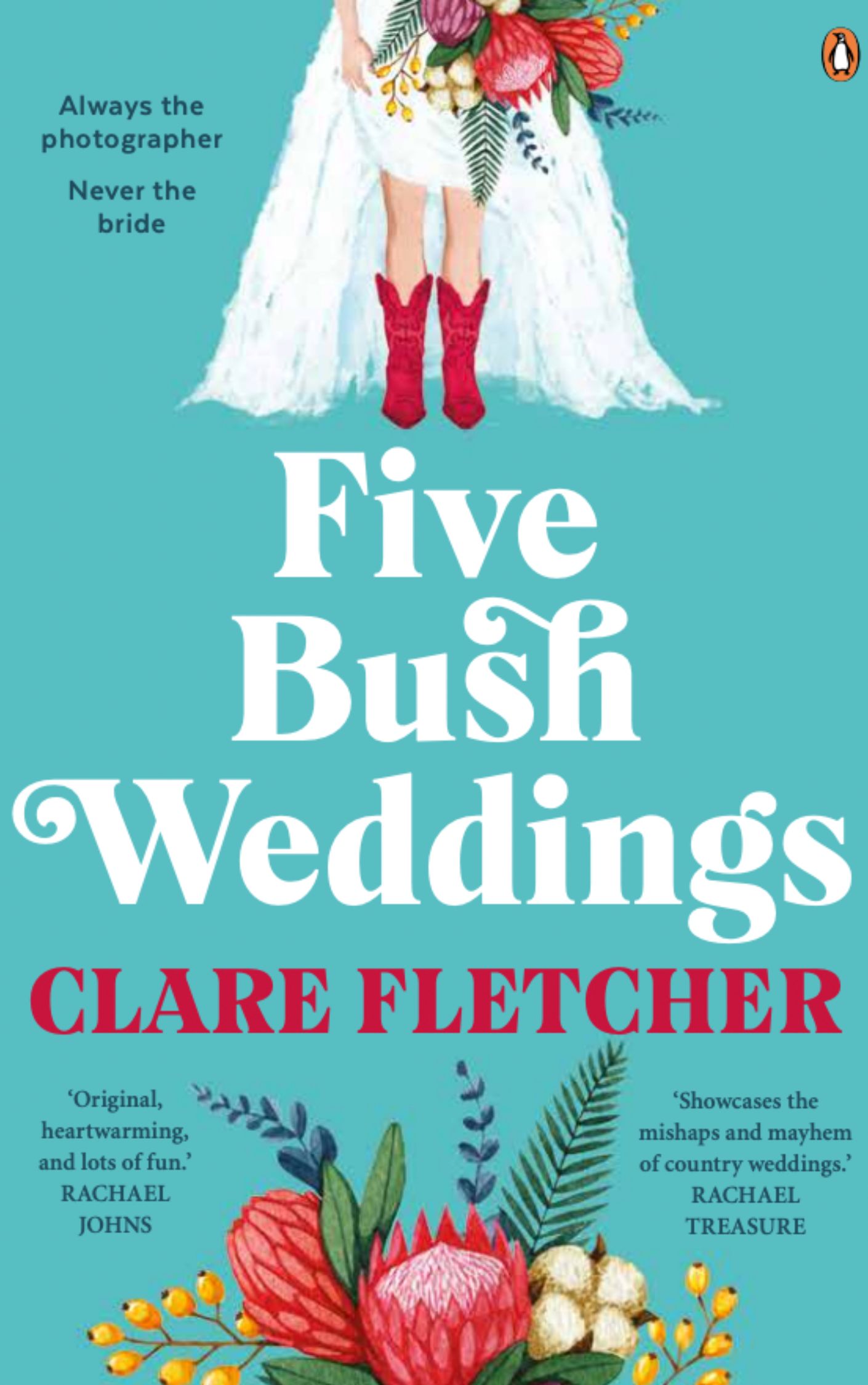
    There’s an iconic scene in Clare Fletcher’s debut novel Five Bush Weddings involving a steamy kiss and a thud as a meat pie drops to the ground, all but forgotten in the heat of the moment. 

    This hot/sweet/funny scene characterises Clare’s book, a rural rom-com that shakes off stereotypes to reveal a glimpse of modern life in the bush, with all its beauty, hardship and humour. It follows Stevie, a talented wedding photographer who captures a steady stream of rural romances through her lens but can’t seem to frame up her own happily ever after. Stevie is a hot mess and a hot item on the local gossip’s Bush Telegraph – and then her ex’s best friend, Johnno, reappears, reigniting old memories and confused feelings.

    I loved this book, not just because of Clare’s beautiful writing, but the way she threads real rural stories – the connection of country communities, the struggles farming families face trying to forge ahead in an ever-changing landscape – with the issues many women in their thirties grapple with, no matter where they’re from. It’s set between Brisbane and country Queensland, and Clare draws on her own background growing up in a regional town to fill the scenes and characters with authenticity.

    Clare is also a journalist so I was keen to hear if her day job helped her get the words for her first novel down on paper (yes and no!). Here, she shares her writing journey, her experience of being edited (not nearly as brutal as she expected), why playing team sport as an adult is a little like writing a book, and what readers can expect from her next…

    Congrats on the release of your first novel! I loved Five Bush Weddings and found it got me thinking about my own life journey, as Stevie grapples with her life decisions, a bad breakup and the pressure to settle down. What sparked the idea for the book? 

    I decided quite consciously to try to write a book, which had been a lifelong dream I’d spent three decades doing nothing about. When I decided to try writing a romance, thinking it would be quite formulaic, I wanted to explore that messy period in your early thirties when it feels like there are lots of conflicting expectations for women – have a brilliant career, get married to the perfect man, have babies, own a house, travel the world, be creatively and spiritually fulfilled. Very few people can knock all those off and if you haven’t done any of them, cue the soul-searching! And so many of those things are down to chance – I think we all have a beloved friend who just hasn’t met the right partner, through no fault of their own, but judgemental people can treat them like it’s a shortcoming or a character flaw that they’re single. Anyway, I liked the idea of a heroine who’s pretty great at her job but a bit aimless and hopeless at life, finding joy and purpose without needing a man to ‘fix’ her. A wedding photographer seemed like a great protagonist to explore different types of love as well as some fun parties!

    I love the way you portray rural Australia in the story. What was your aim in writing about the country? Were you hoping to give people a more informed glimpse?

    Growing up in a small town in regional Queensland is something I’m so proud of and grateful for, and this story is one big love letter to it. I’m a townie so I don’t have lived experience of working the land, but I’ve worked in small town pubs and restaurants and done peripheral farm jobs like cotton chipping, bug checking and grape picking! It feels like there’s a lot of rural-set crime fiction in Australia at the moment, so I wanted to try telling a more joyful story about country communities. And a lot of rural romance is understandably set in more idyllic locations – lush high country, wineries or vast stations – so I thought it would be fun to use the more prosaic settings of the places of my youth. I think there’s a real resilience and camaraderie, and a very unique sense of humour, that comes with the harsh unpredictability of living on the land. 

    How much of the story is based on your own experiences of living in the country and overseas? 

    All of Stevie’s terrible habits, many of her experiences at parties, and her memories of New York, are mine!

    Is it difficult to mine your own life experiences for art? 

    Actually, I think it can be too easy! Often I’d use a memory or an experience as a starting point to imagine a scene, and a lot of those very specific details remain in the final book. My sister told me the other day that everyone at home is speculating about who the Bush Telegraph is based on – that’s the trouble with having recognisable details, sometimes people forget the characters are fictional (I swear)!

    Tell me about your journey to becoming an author. When did you start writing fiction and why? 

    I’d always loved creative writing as a kid but it never felt like a realistic career path, so I didn’t dedicate much time to it after university. I think I had grown a bit depressed that I was ignoring this thing I’d always wanted to do, so I decided I had to give it a proper try. Weirdly, it was starting to play team sport in my mid-30s that got the ball rolling – it was a great reminder that the world won’t end if you’re bad at something, it can still be fun even if you suck, and that you can see improvement when you keep trying. Even getting into running was a great lesson in the way small, regular increments can add up to a big achievement. So I signed up to do the Year of the Novel course at Writing NSW in 2019. I don’t think anyone needs to study writing to start a book, but I knew I needed external accountability and structure. I didn’t finish the book in that year but it was exactly what I needed, and also helped me connect with fellow writers as well as a teacher who would go on to become my mentor. 

    “It was starting to play team sport in my mid-30s that got the ball rolling – it was a great reminder that the world won’t end if you’re bad at something, it can still be fun even if you suck, and that you can see improvement when you keep trying.”

    What about the nuts and bolts of writing a novel. Did your background as a journalist help? 

    It’s just chipping away over time. Journalism has made me very lazy without a pressing deadline, so it was a real mind-shift to keep working on this manuscript no one might ever read. There were weeks and months when I didn’t write, which can be something we gloss over when we’re telling the neat story of how a book gets written, but at a certain point you find you’ve invested so much in the characters that you need to finish it. Journalistic training has given me an appreciation for clarity in writing, some skills in observation, and maybe all those hours of transcribing interviews helped with writing dialogue!

    How long did it take to write Five Bush Weddings?

    It was a bit less than 18 months to finish the first draft. I was working full time, and pregnant for the last stretch! That ended up being the deadline I needed – imminent labour. While I was on parental leave, I worked with a mentor to refine the manuscript to submit to agents. Once I found my agent, it took a few months to lock in a publisher; and once the contract was signed it was less than a year to publication. So in all it was about three-and-a-half years, from starting to publication.

    How did you find the editing process? Scary, empowering, fun?

    This is where I think I was lucky to have worked in journalistic editorial, because I knew what to expect somewhat. I was absolutely packing it waiting for my structural edit, but book editors are much more gentle with you than a newspaper or magazine editor! I couldn’t believe the way my copy editor explained every suggested change, and offered lots of kind compliments to offset the constructive criticism (this is professionally known as the ‘shit sandwich’ or ‘compliment lasagne’). At the end of the day, editing is about making a piece of writing the best it can be, and making sure nothing stands in the reader’s way of enjoying the story. Suggested changes aren’t personal, you’re on the same team, and as the author you always have the right to accept or reject a change 

    “At the end of the day, editing is about making a piece of writing the best it can be, and making sure nothing stands in the reader’s way of enjoying the story.”

    Can you share any insight into lessons you learned from the experience? 

    My publisher (Nikki Christer) did my structural edit and that was a great learning experience. When she suggested my main character was a bit unlikeable, at first I freaked out, thinking it would be a huge job to rework her. But Nikki helped me see that a few simple scenes building Stevie’s relationship with her mum and her best friend could do a lot of heavy lifting to show why these people stick with Stevie even when she’s not making great decisions. Nikki also told me to go back and read Bridget Jones’ Diary and I think that can be really helpful, revisiting a touchstone book when you’re struggling with something.

    What writing/editing rules do you love to break? 

    ‘Show don’t tell’ is good advice a lot of the time, but sometimes we go too far in that direction when a bit of exposition can be much more efficient! I just bloody love words so I probably pepper in way too many adverbs (Kurt Vonnegut would never) and description… but that stuff is so pleasurable for me to write, I hope it’s enjoyable for readers, too.

    What advice would you give other aspiring authors?

    Don’t wait for the perfect conditions, the perfect idea or some arbitrary skill level to get started. Once you’re writing you’ll learn so much as you go. I think women in particular are often waiting for permission or over-qualification to start writing and sometimes you just have to ask yourself – would a mediocre white man hesitate in this situation?

    What’s next for you? What are you working on now? 

    I am getting close to my submission deadline for the second book in my contract. Obviously it’s an immense privilege to be contracted but it’s also done my head in a bit – working with very different expectations to the first time around. This new story will be in the same universe as Five Bush Weddings, with different main characters. There’s a historical timeline thread as well as the present day. Deb balls, beauty pageants, a collection of vintage dresses and women’s rugby – a weird cocktail!

    Pick up a copy of Five Bush Weddings here and find out more about Clare (and sign up for her excellent newsletter) here.

  • No words ever wasted: Why writing to rewrite isn’t a waste of time

    Worried that all that writing you’re doing might eventually end up in the bin? Here’s why your words are never wasted, even if they don’t make the final cut.

    Tension square. 

    These two words, without fail, elicit a groan in me every time I see them at the top of a knitting pattern. 

    If you’ve ever been seduced by a silky skein of wool, you’ll no doubt be familiar with the concept of tension squares. They ask the knitter to make a small test square using the yarn and needles required for the pattern to check their tension – that is, how tight or loose they naturally knit. If you have more stitches per centimetre than the pattern indicates, you need to loosen your knitting. If you have fewer, you need to tighten up. 

    It’s a quality-control process that good crafters understand and follow, knowing that if their tension is off they won’t wind up with a well-made garment in the end. It will look shrunken and silly, or hang limp and uneven. Taking the time to check their tension at the start can insure them against a disappointing finish. 

    Unfortunately, I’m not one of those crafters. 

    To me, tension squares have always felt like a waste of time. I’m excited to start the project and I want the finished product yesterday. 

    That’s fine if I’m making something like a scarf or a beanie. But for a garment? Well, let’s just say I’ve never made a jumper I’d wear in public. 

    Patience makes perfect

    My refusal to sit with the tedium of knitting tension squares has always held me back from achieving my goal of making a beautiful jumper, cardigan or vest. I’m simply too impatient to be a great crafter.

    I think the same can apply to the craft of writing. 

    I know a lot of writers worry about the possibility that they’re putting in loads of writing time and effort only to have to abandon great swathes of copy at some distant point in the future. They think:

    • What if an editor suggests cutting a whole section of the book? 
    • What if a publisher insists on changing the point of view or adding a new character? 
    • What if I wake up one day and decide the plot is all wrong, the main character sucks and I hate the ending? 

    Writing a book is a lot like knitting in that it’s a skill that takes a lot of practice – and even more patience. 

    You’ll start off excited to work on your idea and see where it ends up, but it’s slow and painstaking work. You might drop a stitch and have to work backwards to fix the hole. And at some point in the process, you might find yourself pulling on a loose thread and unravelling the whole damn thing down to nothing. 

    So, is it a waste if you had to pull out your work and start from scratch? Well, maybe, but only if you think you have nothing to learn. 

    Yes, it hurts to cut chapters you spent hours putting down or to give up on a character you once loved. But those early drafts weren’t wasted. The process of writing them taught you about structure, narrative arcs, characterisation, dialogue, showing vs telling, deep point of view. They might even inspire new stories further down the track. 

    What about writing exercises? Like tension squares, practices such as interviewing your characters, writing a detailed backstory or testing out a different narrative tense might feel like a distraction from the main game – finishing your novel – but they’re not as pointless as they can seem. 

    Sure, they’re time consuming and they might not ever make it to the published page. But are they a waste? No. They’re an opportunity to work on your craft and expand your skills. A quality-control process to ensure that the finished product is polished, engaging, and definitely worth showing off in public. 

    Five ways to reframe your rewrite

    If you’re struggling to let go of some of your darlings or worried that you’re wasting your words, try these tips: 

    • Create a safety net: Put any cut material into a separate word file and save it. You might come back to it later, you might not. Tell yourself it’s still valued material by keeping it on file. 
    • Set a time limit for your writing practice. If you’ve been staring at your screen for 15 minutes and feel like the words aren’t flowing, don’t force it – you’re unlikely to love the work you create in this mood. Put your laptop away and come back to it later when you’re in a more creative mindset. 
    • Try writing just for fun, sometimes. Don’t pressure yourself to create something amazing or reach a certain stage in your novel every time you sit down to write. Practise writing for the joy of it – try writing some flash fiction, pen a poem or just free-journal your thoughts.  
    • Make a plan for your rewrite. Don’t just dive in – go through your manuscript with a critical eye and pinpoint what areas need work, then follow through systematically. Not sure where to start? An editor can give you sensitive, professional feedback on your story and a plan for how to strengthen its weak points. Check out my structural editing service here.
    • Accept that rewriting is part of the process, no matter how far along you are in your writing journey. Even the best, most accomplished authors write multiple drafts of their novels. As Anne Lamott says, “Almost all writing begins with terrible first efforts.”